Sustainability Report 2025
Improving our Trust Port for everyone
- All home safe and well daily
- Economic impact will increase through maximising cargo, fishing, leisure, and specialist project capacity
- Enhancing profitability will enable ongoing investments in people, infrastructure, and new services
- Cargo volume will grow through collaborative partnerships and efficient discharge, storage, and logistics services
- Property development and acquisition will enable expansion of our thriving business community
- We will encourage engagement from all stakeholders across communities, education, and charities
- Our values will guide us to be an inclusive, modern, and diverse employer
- We will achieve Net Zero (Scope 1 & 2) by 2035 while being a catalyst for decarbonisation across our ecosystem (Scope 3)
Thank you for your interest in our Sustainability Report 2025. We are proud to share this update which highlights our ongoing carbon reduction projects, environmental stewardship and collaborative partnerships.
Our role as a Trust Port positions us as an enabling early actor with the capability to convene and influence organisations based across both our physical estate and supply chains. Examples of this from the last 12 months include our procurement and operation of the area’s first e-workboat and Sussex’s first 44 tonne e-HGV and charging infrastructure.
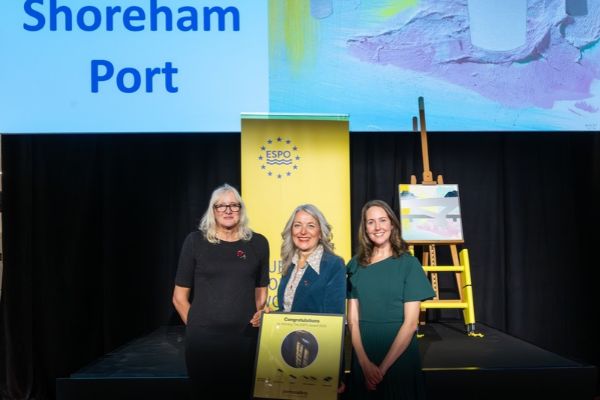
During 2025 I am particularly proud of our work planning and delivering Southwick Reef, a publicly accessible marine biodiversity project. We hope the area attracts an increasing number of marine species and serves as a valuable resource to inspire future generations of coastal engineers and marine biologists. In addition, I am delighted our longstanding commitment to societal integration was recognised through the prestigious European Sea Ports Organisation award, only the second time an English port has won in 17-years.
Achieving the energy transition involves pioneering new technologies and developing alternative ways of working all of which can’t be achieved in isolation. Our continued progress remains rooted in collaboration. You can stay in touch with what’s happening at Shoreham Port through following us on socials, signing up to Sustainability Scoop our e-newsletter or joining us at Sustainability Week 2027.
Developing an organisation capable of meeting both current and future societal and economic requirements, whilst working to protect and conserve our local ecosystem requires a holistic approach with learning and innovation at its core.
By structuring our efforts under the following six pillars, we aim to achieve a sustainable long-term future for the Port, the communities we serve, and the environment in which we operate.
- Climate action Saving energy and reducing our emissions.
- Zero Waste Cleaning our water, land and air.
- Harmony with our natural environment Helping biodiversity and supporting conservation.
- Supporting colleagues and our community Keeping people safe, informed, and aware.
- Valuable partnerships Working together and sharing values.
- Sustainable business Taking an efficient, resilient, and responsible approach.

We remain committed to our Masterplan goal of achieving Net Zero (Scope 1 and 2) by 2035, delivered through progressive investment to decarbonise and the continued expansion of our renewable energy generation portfolio.
Committing to this deadline in 2022, we have since delivered a 30% Scope 1 and 2 emissions reduction in only three years, whilst simultaneously growing our operations and revenue generation.
Our Scope 2 emissions were virtually eliminated from 2023 onwards when we started buying guaranteed green electricity across the Port estate.
Annual Emissions

Electrifying Our Operations
Through the adoption of a range of EV technologies, we have been learning about the adjustments required without compromising on our ability to deliver for our customers. Since 2020, we have:
Replaced our light commercial fleet with EV options, including a minibus to move colleagues between terminals and waste collection vehicles that patrol the estate.
Introduced an e-Work Platform and an e-Fork Lift Truck (FLTs).
Launched our first electric Heavy Goods Vehicle (eHGV).
Launched ‘Electra’ the areas first e-Workboat.
Ordered our first dual power heavy material handler (crane).
Ordered our first heavy duty eFLTs.
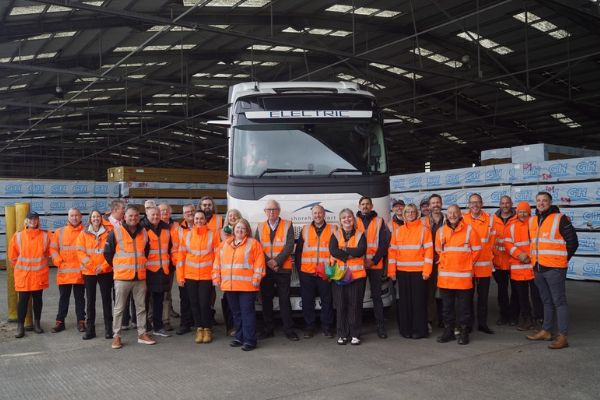
Colleagues gathering to welcome Sussex's first 44t eHGV
In advance of further electrification or alternative fuels, all terminal operations (Cranes, FLTs and other plant), floating craft and 20% of our HGV fleet operate on Hydrotreated Vegetable Oil (HVO) fuel as of 2024, facilitating an 80-90% CO2e reduction compared to fossil fuels. To do this, we have partnered with Southern Energy (a tenant at the Port). All HVO sourced is Zemo assured and International Sustainability & Carbon Certification (ISCC) certified, ensuring high levels of transparency and due diligence on where each batch of fuel is sourced from. As well as the CO2 reduction, HVO also creates less particulates – further improving local air quality.

Decarbonising not just our landside operations, but proving what is possible on the water, in 2025 we introduced Electra, a zero-emissions electric catamaran workboat.
A top speed of 8 knots, Electra has been a fantastic and cost-effective addition to the fleet, with battery life capable of supporting an 8-hour working day on one charge. Enabling our Marine Team to completely decarbonise their canal patrols.

Catalysing Decarbonisation
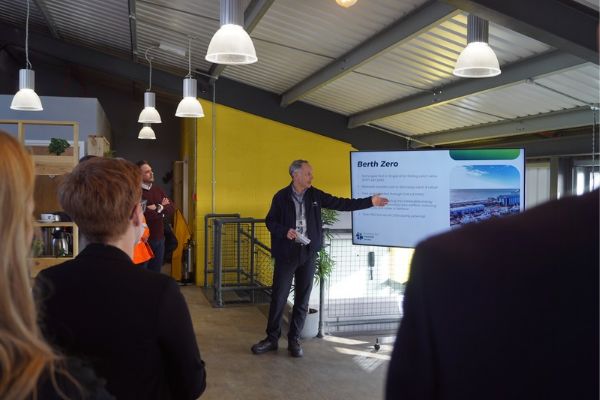
Supported by funding from the Department for Environment, Food & Rural Affairs (DEFRA) UK Seafood Fund: Infrastructure Scheme, we have been able to not just decarbonise our own waterside operations, but enable Scope 3 emissions reduction. We launched ‘Berth Zero’ at the start of 2025 and are now adding to the project with solar PV and battery storage to further green the shore power for our larger fishing fleet.

This installation enables up to ten vessels to plug in to shore-side electricity simultaneously, reducing the need for diesel generators when berthed, cutting CO2 emissions, reducing noise, and improving local air quality. The project has the potential to reduce annual emissions into the harbour by approximately 900 tonnes of CO2e a year.
Local Industrial Decarbonisation Plan
Following a year long process of in-depth research, analysis and scenario modelling, we were pleased to publicly launch our Local Industrial Decarbonisation Plan in 2025. A collaborative project delivered in partnership with Innovate UK and the Department for Energy Security and Net Zero (DESNZ). Publication of the plan laid a clear direction, ambition and actions required to not only decarbonise the entire Port estate, but the role we can play in catalysing action across the wider region.
We brought together three key industrial partners representing the fuel, aggregates and steel industries, two local councils and the University of Sussex to deliver this project. We contrasted four decarbonisation approaches: do nothing (providing a baseline approach), business as usual (HVO), alternative fuels (including methanol and hydrogen), and electrification. Seeking to understand the cost, actions and infrastructure required to realistically decarbonise our entire industrial cluster, which encompasses 1,600 direct jobs and approximately 200 businesses, the project explored barriers and opportunities, plotting our path to total decarbonisation and highlighting the invaluable role electrification has to play. Click the link to find the full Local Industrial Decarbonisation Plan here.

This plan was highly commended by DESNZ as an exemplar of what can be achieved at a local scale, we were pleased to see learnings from the process disseminated internationally through articles in Nature and Regional Studies.
Expanding Renewable Energy Generation
Complete electrification of our operations is a technological and economic challenge, with grid capacity a significant barrier. We therefore see renewables as a crucial component of our Net Zero Strategy, providing self-sufficiency in energy generation.
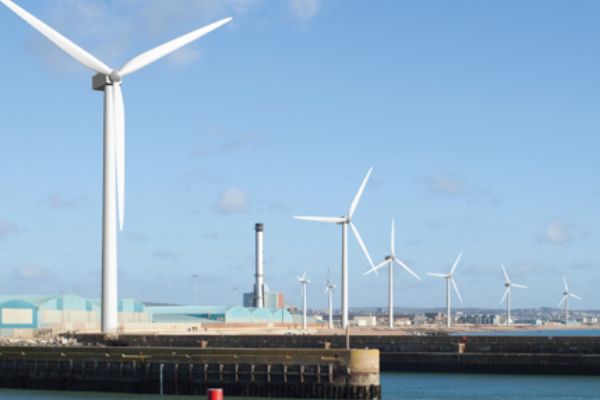
With over 11,000 solar panels already in place across the Port estate, solar PV presents an invaluable opportunity to decarbonise, reducing dependence on the grid and making maximum value of rooftop space. We have scope for an additional 4.8MW of solar PV if we can store or export the power.
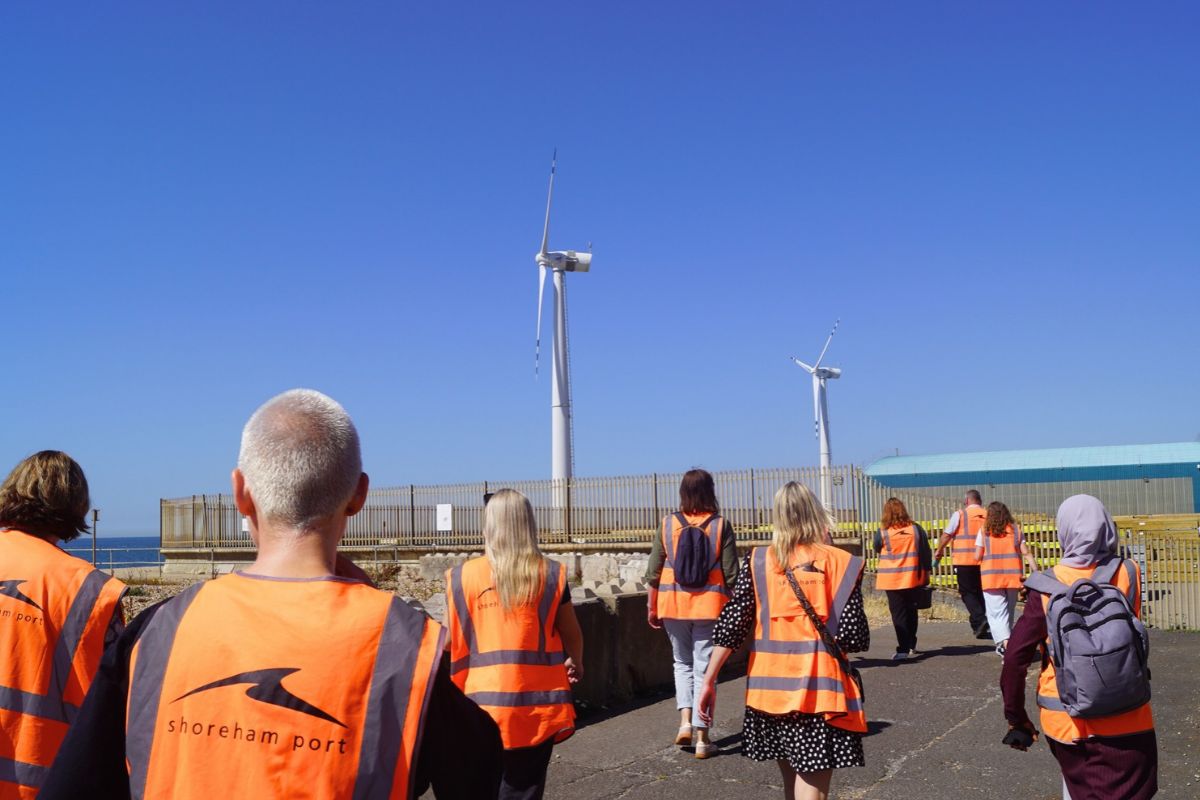
We have had two 100kW turbines in place since 2016, capable of generating up to 500MWh a year. There is a clear opportunity to expand this and, following several years of scoping and stakeholder engagement, we have exciting plans over the coming years with up to 6 large turbines aligned along our section of coast.
In advance of renewable expansion all our purchased electricity has been switched to a contract that meets the Renewable Energy Guarantees of Origin (REGO) certification, further eliminating our Scope 2 emissions.
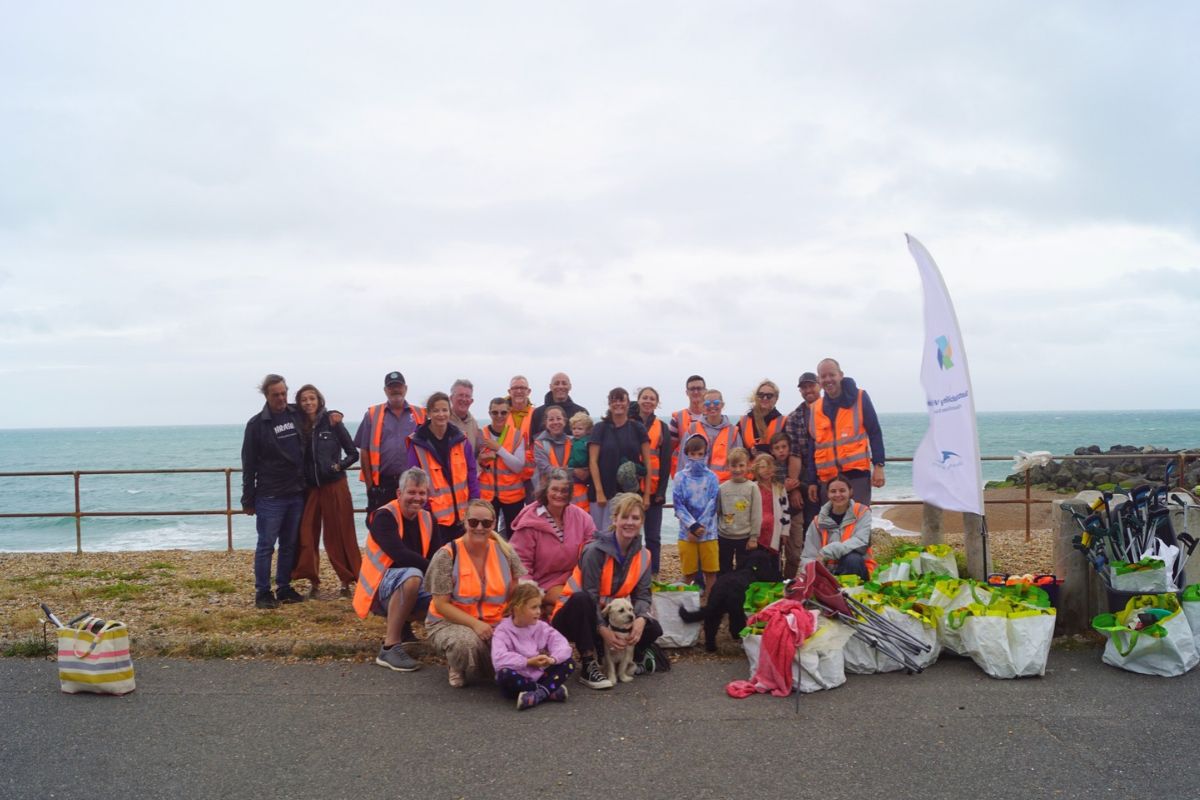
Identifying waste streams specific to our industry, our efforts to see the potential in unwanted materials have facilitated an increase in recycling rates of approximately 25% since 2023, significantly decreasing general waste resulting from operational activity and highlighting the value in waste materials.
Engaging with our colleagues to understand where else they think wastage could be reduced, we continue to identify niche opportunities to minimise waste.
In autumn 2025, we partnered with a new cleaning supplier, facilitating a move to ‘refillables’ across estate wide cleaning from sprays to soaps. This change has avoided the use and disposal of hundreds of plastic bottles already. Our cleaning chemicals are purchased in a concentrated format and diluted down to refill existing containers.

Targeting Niche Streams of Waste
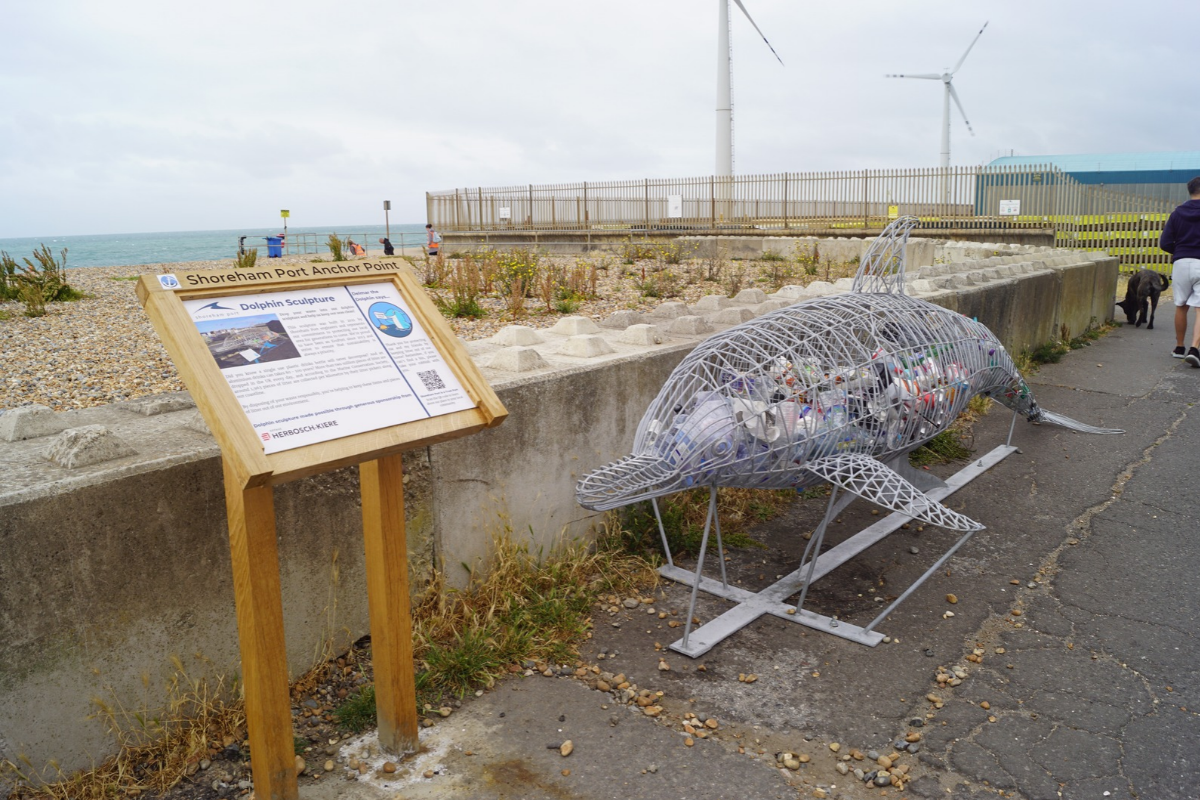
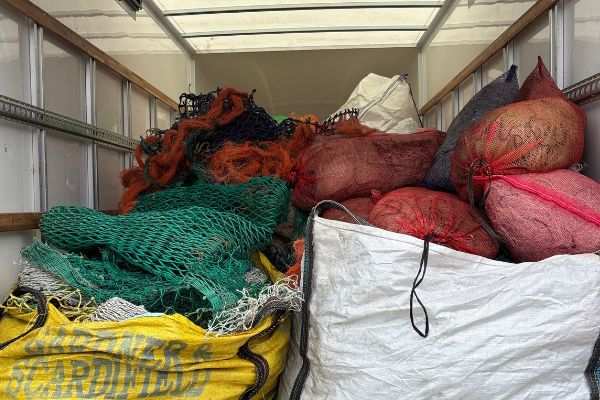
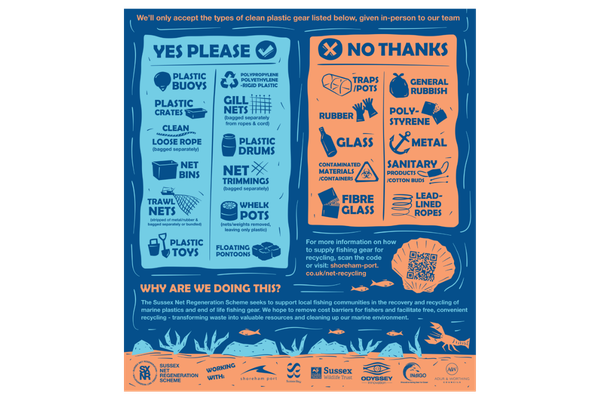
As one of the largest ports in England for fish landings by catch value, our commitment to mitigate waste and work towards a circular economy extends beyond our own operations. Supporting the local fishing community in the recovery and recycling of marine plastics, we continue to provide free end-of-life fishing gear recycling for fishers of Shoreham Port, working alongside Sussex Wildlife Trust, Odyssey Innovation and Exeter City Council.
We diverted seven tonnes from landfill in 2025, cleaning up our marine environment and transforming waste into new valuable resources, including benches, bins, kayaks, carpets and clothing, promoting circularity from waste.
Encouraging recycling within our angling community too, we continue to work alongside the Anglers National Line Recycling Scheme (ANLRS) in the recycling of both fishing gear and fishing line. Seeking to protect the environment in which they fish, dedicated volunteers from the ANLRS have helped intercept and recycle more than 50,000 metres of fishing line and over 250 hooks. This has been achieved through the provision of several recycling points located around the Port.
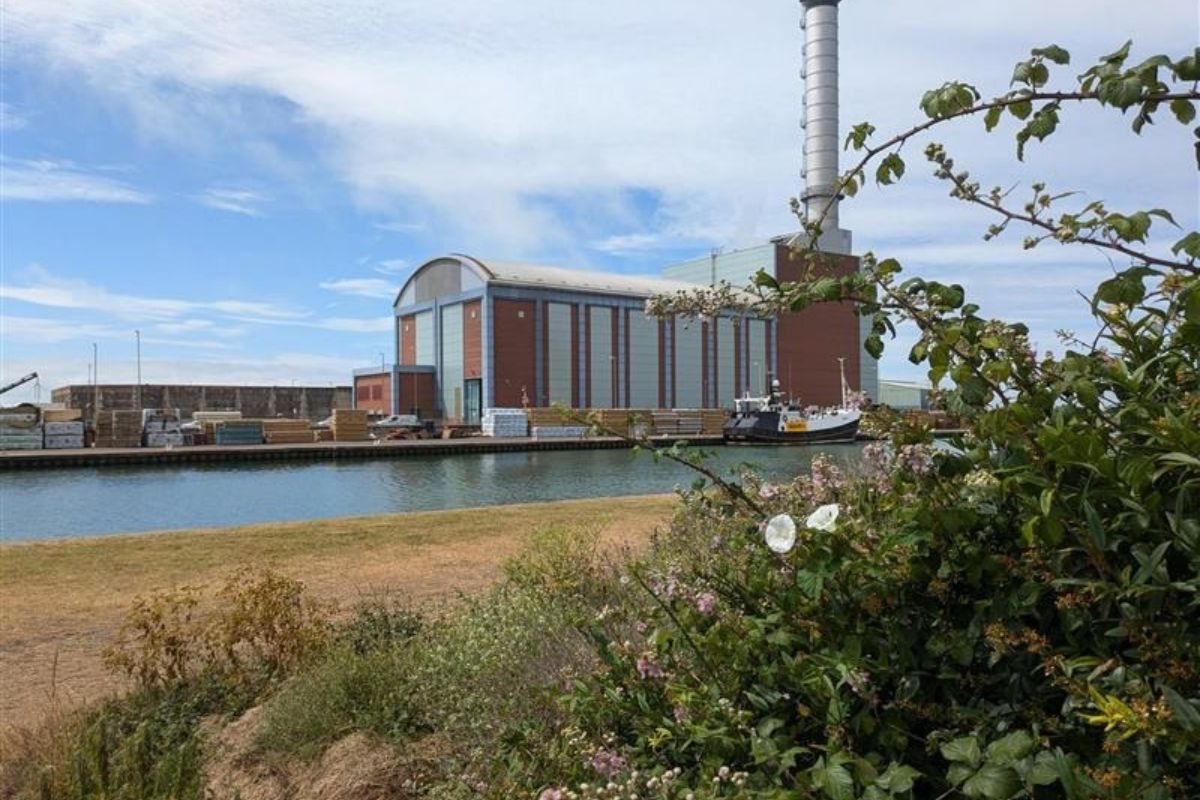
The Port estate covers 110 acres of land and water. Located at the mouth of the River Adur and north of the English Channel, our impact extends beyond our geographical boundary, involving significant collaboration with stakeholders across water quality, access to blue/green spaces, and coastal defence.

We were pleased to support the development of an updated River Adur Management Plan, published at the start of the year, seeking to better map, manage and hopefully mitigate pressures on the waterway and the Site of Special Scientific Interest through which it runs.
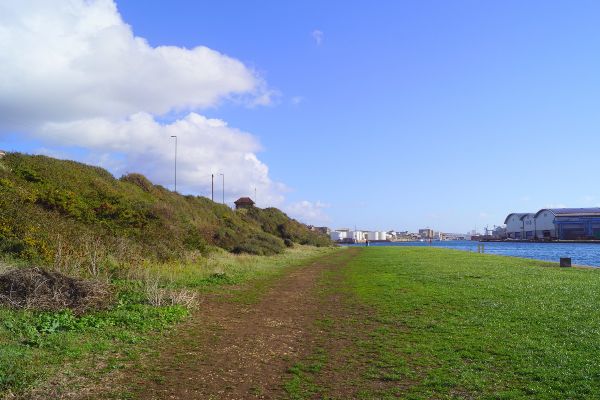
We have also joined the Weald to Waves Partnership in the last 12 months, recognising the value of our blue and green spaces in ensuring habitat connectivity and providing essential habitat, joining their 100-mile nature corridor. With a variety of ecological monitoring equipment currently on loan from the project, including mammal tunnels, wildlife cameras and bat monitoring devices, we are already learning so much about our local ecology, directly feeding into an informed monitoring plan for the Port estate.

Sussex Dolphin Project
Our continued partnership with the Sussex Dolphin Project enabled the planting of 500 plugs earlier in the year along the canal, creating a biodiversity-rich site and a fantastic learning opportunity, with over 180 species present, as captured via bio-blitzes held throughout the year with our local community.
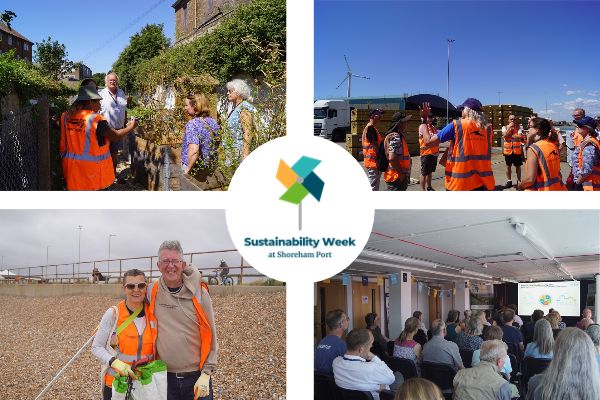
Sustainability Week 2025
In 2025 we held our fifth annual Sustainability Week, opening the Port to our multiple stakeholders and local communities. During the week, 410 tickets were booked across 21 events. We have found hosting Sustainability Week valuable in aligning plans with partner organisations and gaining direct feedback from the public, thereby shaping our future thinking.
Southwick Reef
In collaboration with Adur & Worthing Council, Brighton and Hove City Council, Sussex Dolphin Project, Sussex Bay and University of Brighton throughout 2025 we planned and delivered Southwick Reef- a pioneering, publicly accessible, marine biodiversity enhancement project.
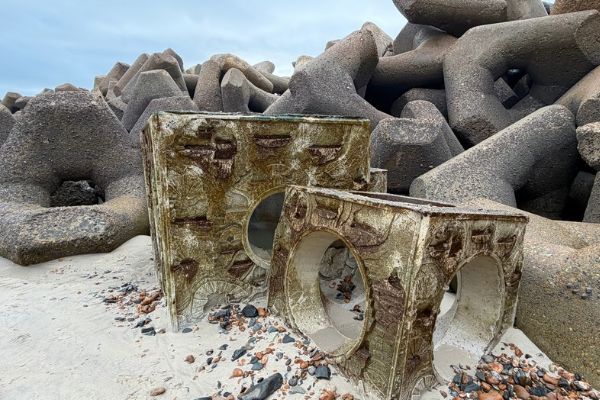
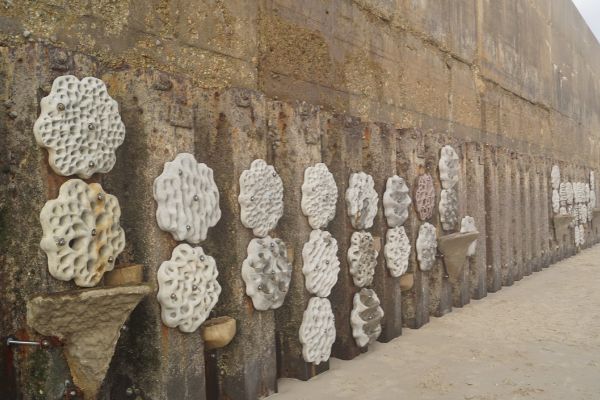
Now the UK’s biggest sea wall, the reef is a key educational and public engagement resource, encouraging the marine biologists and engineers of the future. The sea between Brighton and Worthing is a hotspot in summer for bottlenose dolphin sightings. The low carbon textured tiles and cubes that make up Southwick Reef provide shelter and food for small invertebrates, which in turn will become food sources for larger creatures, creating a biodiverse marine environment.
The biodiversity gain will be measured and recorded as part of a PhD being undertaken at the University of Brighton. The results of which will be shared with comparable projects taking place across the world, contributing to an emerging international body of knowledge.
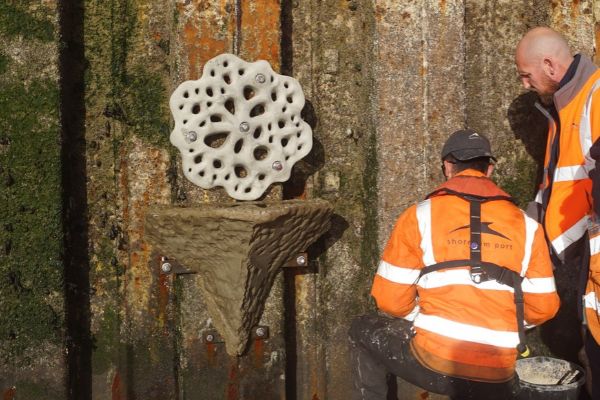
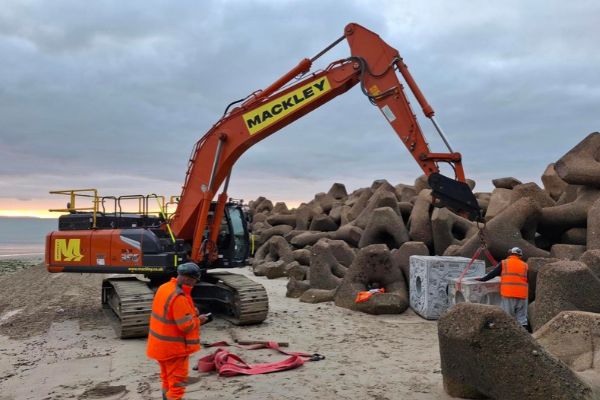
The 100 specially made tiles and vertipools supplied by Inland and Coastal and Artecology were attached to the sea wall by the Port’s team. The larger ARC Marine cubes were placed on the beach below the rock barrier with valued support from contractors Mackley.
Charging Up the Commute
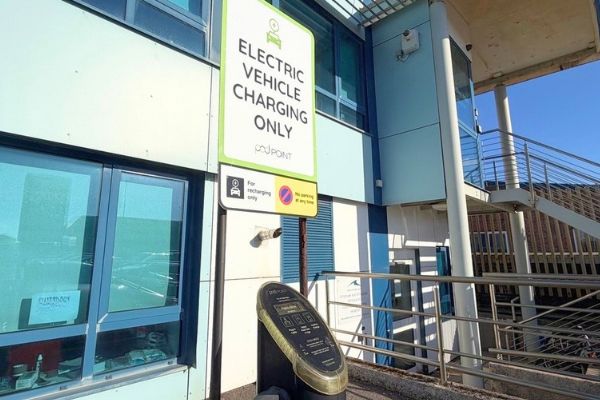
Alongside electrifying our light vehicle fleet we are continuing to increase the number of privately and publicly available charge points for EVs. As well as encouraging our tenants across the estate to move to EVs we also enable Port colleagues to charge their vehicles whilst at work. Further impacting our Scope 3 emissions, we encourage other means of low carbon commuting such as cycling, walking and taking easily accessible public transport to work.
We are proud to be the station partners of Southwick Station, the closest railway station to our main office, Nautilus House. We collaborated with the Friends of Southwick Station, transforming a disused, overgrown piece of land south of the station into a community garden. The site is now cleared, and a beautiful garden is taking shape.
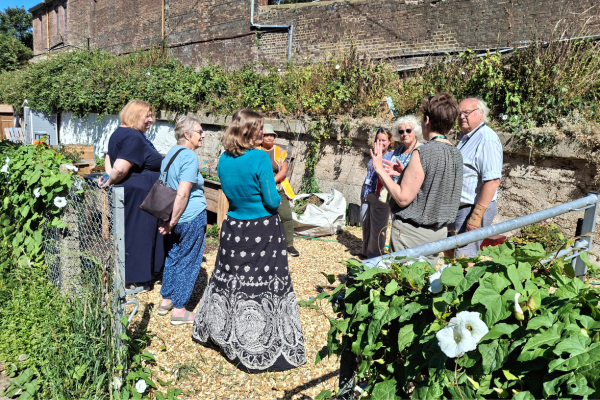
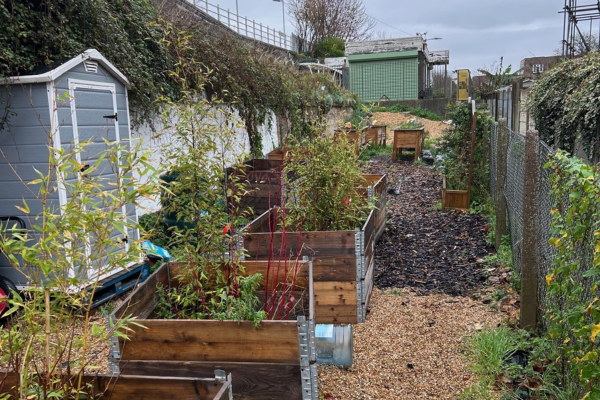
We were delighted to receive a National Lottery Community Fund grant in December 2025, which will enable the installation of an accessible path through the garden. Additional funding from Shoreham Port and the Southeast Communities Rail Partnership will support the final planting, the creation of a small bog garden with a pond at the western end, and the addition of planters for local charities to grow fruit and vegetables.

The Gateway Hub
In July 2025, we formed a new three‑year partnership with The Gateway Hub in Fishersgate. The Gateway Hub is a community support centre offering food, clothing, practical assistance, wellbeing support, and social activities to anyone facing hardship, operating on a welcoming “neighbours helping neighbours” basis. We look forward to continuing our work with The Gateway Hub and strengthening our connections with the communities closest to the Port.
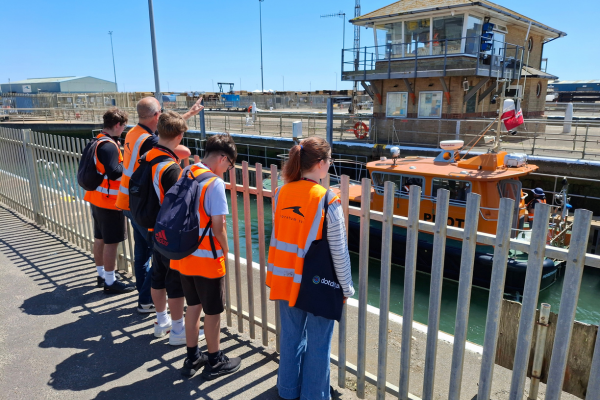
We were delighted to welcome members to our first Careers Open Day in March 2026, where young people explored the wide range of careers available at the Port, learned about our commitment to apprenticeships, and discovered upcoming opportunities.
Supporting Underserved Communities Surrounding the Port
We delivered £129,000 of direct community impact in 2025 through donations and substantial in‑kind support. This included funding for 25 charities, providing expert colleague time, offering nominal‑rent for community assets such as Shoreham Sailing Club, and supplying complimentary room hire for charity partners. The Port also contributed practical on‑water assistance through safety boat patrols for port users.

Preserving and Sharing the Port’s 265+ Year History
Through our volunteer Port Archivist, we carefully preserve our collection of documents and artefacts. Through engaging blogs published on our website, we explore new ways to showcase the hidden gems from the past—particularly the fascinating details recorded in the Port’s minute books, which date back to 1760, when we first began operating as a commercial Trust Port.
Thank You to Our Partners
We would like to say thank you to all of our partners that we have worked with throughout the year. These partnerships include community groups, charities, conservation organisations, and local authority partners.
By all working together, we can stive towards a greener and more sustainable future. We look forward to continuing to work together to make a difference.
EcoPort Status
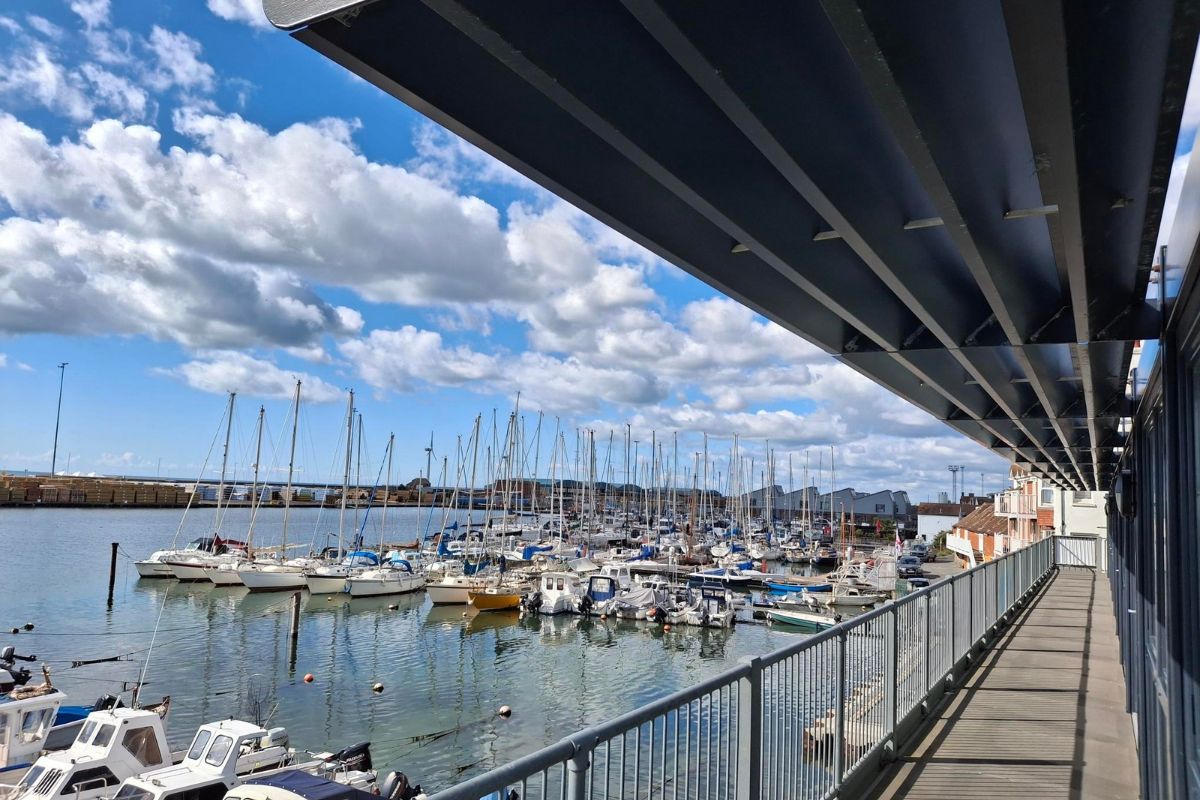
EcoPorts is the main environmental initiative of the European port sector. It was initiated by a number of proactive ports in 1997 and has been fully integrated into the European Sea Ports Organisation (ESPO) since 2011. The overarching principle of EcoPorts is to raise awareness on environmental protection through cooperation and sharing of knowledge between ports. 2025 saw Shoreham Port remain a fully certified EcoPort for the twelfth year running.
Circular Economy
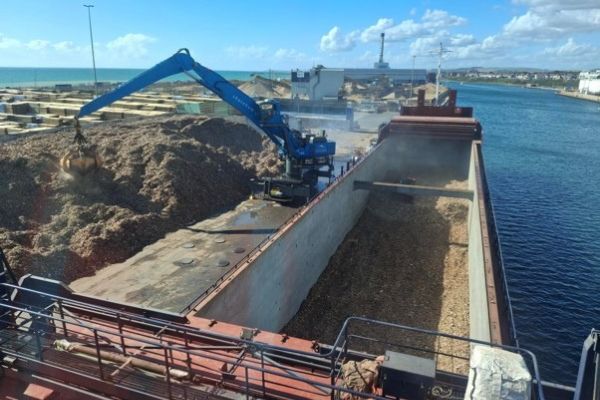
As part of our strategy to diversify our cargo handling we continue to develop our trade in recyclable materials. Our work with Sylvagen to process and export woodchip to European power plants continues to go from strength to strength. Over the past year, we have invested in more efficient equipment to facilitate this trade. Returning this product to the load ports for our incoming timber cargoes closes the circle and minimises the impact of the shipping, which is already a highly efficient mode of transport for bulk goods.
Leaving Things Better for the Next Generation
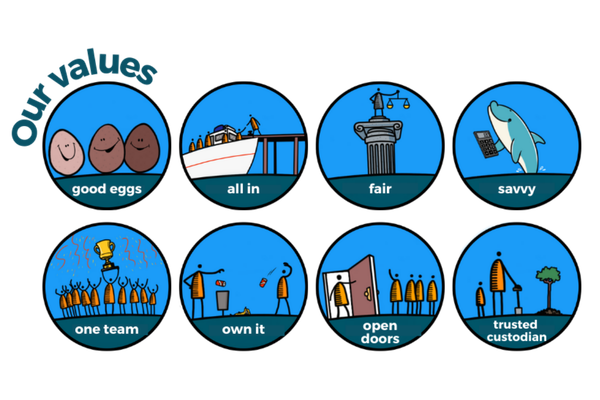
The eighth of our award-winning values is Trusted Custodians, by which we mean we will consider our impact, act sustainably and leave the Port better than we found it. By delivering on our goals across the six pillars, we will continue meeting both current and future societal and economic requirements.
By structuring our efforts under the six pillars, we aim to achieve a sustainable long-term future for the Port, the communities we serve and the environment in which we operate, feeding into a circular economy, capable of supporting our future.